


Key Takeaways
- Loss of use coverage reimburses transportation costs when your car is unusable after an accident.
- It’s optional add-on insurance that can cover rentals, taxis, or public transport during repairs or replacement.
- After an accident, contact your insurer promptly, review coverage limits, document damage, and get repair timelines in writing.
- Coverage limits often cap daily rental rates or duration, and insurers expect you to rent a comparable vehicle.
- Compensation applies whether you’re at fault (through your insurer) or not at fault (through the other driver’s insurer).
When someone is involved in a car accident, their damaged vehicle often requires extensive and costly repairs, leaving them in need of a replacement vehicle. Under their car insurance policy, they may be eligible for a rental car to use while their vehicle is repaired. However, if the automobile is deemed a totaled vehicle, the rental car company may provide a temporary solution until the fair market value of the lost vehicle is reimbursed.
Sometimes, repairs can take weeks or months, which can leave you without transportation. Insurance coverage for “loss of use” can help cover the costs of a rental car during this time. Additionally, if the insurance policy covers loss of use, it will ensure you’re compensated while waiting for the adjuster to determine the fair market status of your vehicle. If you face delays or disputes regarding your claim loss, it’s important to understand your rights under tort law.
For those navigating these frustrating situations, having proper auto insurance and understanding how to use claim benefits can prevent financial stress. Our firm offers a free consultation to help you address issues related to your damaged vehicle or disputes over insurance claims so you can stay on the road while waiting for your case to resolve.
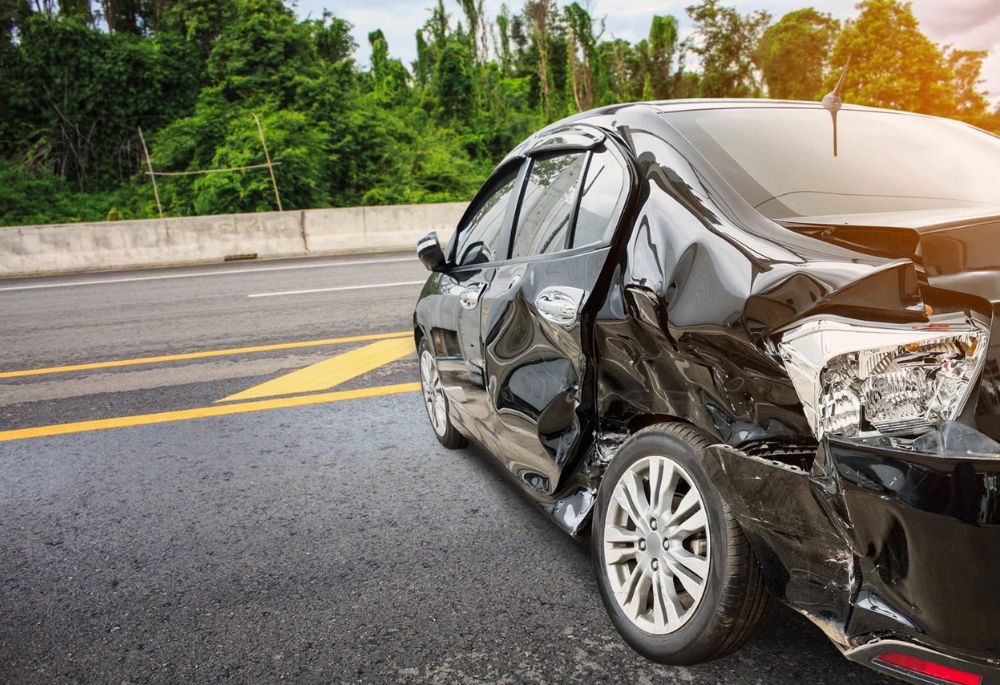
What Is Loss of Use Coverage in an Auto Insurance Policy?
Loss of use coverage is rental reimbursement available to provide transportation for you when you have been involved in an auto accident and are no longer able to use your vehicle. Whether you rent a car, take a bus, or taxi, while your vehicle is being fixed, loss of use coverage helps you continue on with your day-to-day responsibilities.
It is important to note that this coverage is not automatically added to auto policies; it is an add-on coverage that the policyholder must request. It is not typically an expensive add-on but is worth every penny if you depend on your vehicle for everyday driving and commuting, you cannot go without a vehicle for any amount of time, or just do not want to lose the luxury of having access to a vehicle.
What to do After a Car Accident for Loss of Use Coverage
If you have been in an auto accident and carry loss of use coverage, you need to take the following steps:
- Contact your insurance company as soon as possible and let them know you will be filing a claim for loss of use.
- Review your policy documents with your insurance agent so you know how much you can claim each day based on your daily limit of liability chosen for your policy.
- Get pictures of all damage done to your vehicle and auto shop quotes for repair. This will inform you how long it will take for the repairs to be completed.
- Get all details and proof in writing so that the processing of your claim goes quickly and smoothly.
Having Loss of Use coverage is great, but not if the coverage is lower than you need. If you typically drive an 8-passenger SUV or van, but when the time comes to use your coverage, you find out that coverage limits will only cover a small two-door coupe, your family may be put in a tough spot for transportation.
Coverage Limits
In most cases, the insurance company sets coverage limits for the amount they will pay while your vehicle is repaired. They typically cap the coverage based on the repair period or provide a set daily rate for the rental, such as $55 per day. Under certain circumstances, such as a total loss, you may need to pursue additional compensation if the provided amount does not cover your transportation needs during the reasonable time required to replace your vehicle.
The loss of use claim compensates you for being unable to use your vehicle daily for your ordinary affairs, like commuting or errands. However, the insurance company expects you to rent a comparable car—not a luxury sports car—if your at-fault claim is for a basic sedan like a Corolla. Denying coverage based on the type of rental is a common legal argument used by insurers.
In some cases, if the person suffers significant inconvenience, they may need to rely on public transportation or other means, which could be part of the use compensation. When dealing with property damage or waiting for your test drive after repairs, proving loss of use can strengthen your claim based on how the repair shop handles the repairs. Our legal team can help you navigate the complexities of proving loss and ensure you receive fair compensation during the repair or replacement process.
When Can I Collect Loss of Use?
Under certain circumstances and if the coverages are available, you can collect compensation for loss of use if you have been involved in a car accident.
At-Fault
If the collision was your fault, you must notify your insurance company of the crash. If the appropriate coverage is available, they will give you compensation for loss of use.
Not at-fault
If the collision was not your fault, the at-fault driver’s insurance company is responsible for compensating you for loss of use after the crash. If the other driver did not carry loss of use coverage, you will then need to go through your own insurance company.
Should I Hire An Attorney?
The Indianapolis car accident lawyers at Wagner Reese are experienced in handling these types of claims and can help you navigate the complex insurance company jargon. Reach out to us today for a free consultation to discuss your car accident claim using our online form.


