Key Takeaways
- Rollover accidents are rare (3% of crashes) but deadly, causing nearly one-third of vehicle fatalities.
- They are classified as untripped (driver error) or tripped (external factors), which affects liability.
- High-risk factors include SUVs, vehicle defects, high speed, worn tires, and evasive actions due to other drivers.
- Injuries are often severe, including traumatic brain injuries, spinal damage, broken bones, and internal injuries.
- Victims or families may be entitled to compensation for medical bills, lost wages, pain and suffering, and wrongful death if another party is at fault.
According to NHTSA research and statistics, rollover crashes account for only 3% of all vehicle crashes in the United States. Despite that, they are responsible for nearly one-third of all motor vehicle-related fatalities nationwide, making them among the deadliest accident types on the road.
If you or a family member has been injured in a rollover crash caused by someone else, you may be owed substantial compensation. The rollover accident lawyers at Wagner Reese can help you understand who is liable and what your case may be worth.
What is Considered a Rollover Accident?
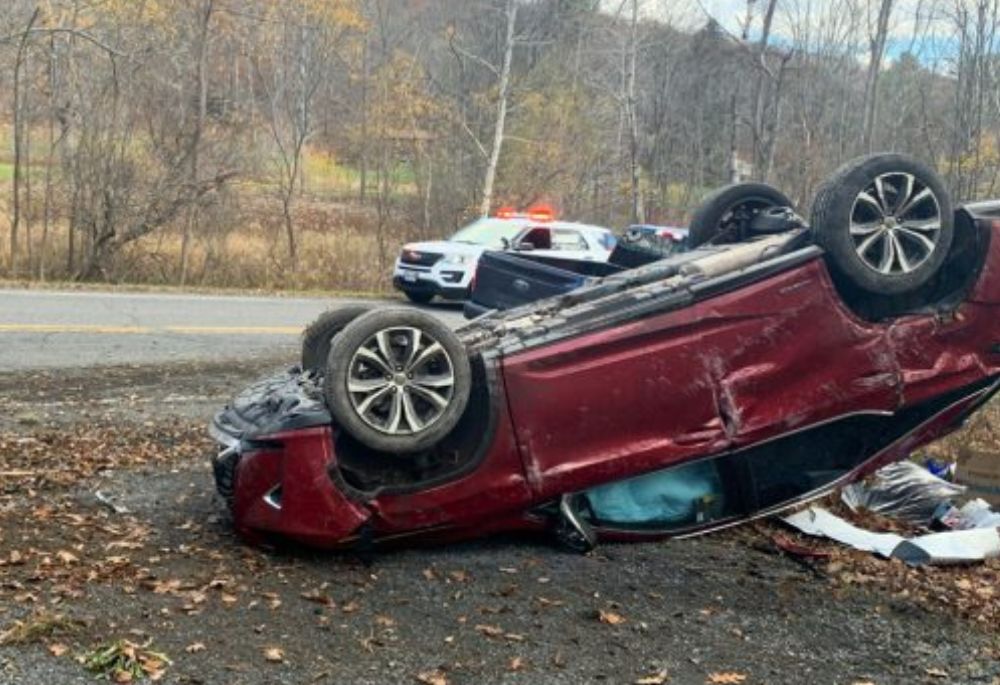
A rollover accident is defined as any crash in which at least one vehicle tips onto its side, rolls onto its roof, or makes at least one complete rotation. Specifically, a vehicle qualifies as a rollover if it:
- Tipped onto one of its sides
- Rolled upside down, with the roof in contact with the pavement
- In rare circumstances, tipped nose upright, resting on the rear end
- Made at least one complete rotation, regardless of final resting orientation
According to the NHTSA’s Rollover Data Special Study (RODSS), 68% of rollover accidents involve a single vehicle, and 50% involve a single occupant. However, rollovers may cause the vehicle to flip multiple times, strike other vehicles, or hit pedestrians, contributing to this accident type’s high fatality rate.
Rollover accidents fall into two categories:
- Untripped rollovers occur without any external trigger, typically due to driver error such as overly aggressive turning or overcorrection at speed.
- Tripped rollovers result from the vehicle striking an obstacle such as a curb, ditch, guardrail, another vehicle, or road debris.
In an untripped rollover crash, other injured parties or families of those killed can typically hold the negligent driver liable. In a tripped rollover crash, liability may extend to a reckless driver, a cargo company that failed to secure a load, or the government entity responsible for road design and maintenance.
What Are the Most Common Causes of Rollover Accidents?
While nearly any vehicle can roll over under the wrong conditions, certain factors dramatically increase the risk. NHTSA data consistently identifies the following as the leading causes of rollover crashes.
Speeding
Excessive speed is a factor in approximately 40% of all rollover crashes, according to NHTSA. Nearly 75% of rollover accidents occur in areas with posted speed limits of 55 mph or higher. Speed plays a more prominent role in rollover crashes than in any other type of vehicle collision. The faster a vehicle travels, the less time the driver has to react to obstacles, curves, or evasive maneuvers, and the more likely an overcorrection will send the vehicle into a roll.
Impaired Driving
Nearly half of all fatal rollover crashes involve alcohol, according to NHTSA data. An estimated 32% of all recorded rollover accidents involved an impaired driver. Alcohol and drugs reduce reaction times, impair judgment, and cause erratic steering inputs, all of which dramatically increase the chance of losing control of a vehicle. When a top-heavy SUV or truck swerves sharply at highway speeds due to an impaired driver, the risk of rolling over rises significantly.
When a drunk or drug-impaired driver causes a rollover that injures you, they can be held liable for your medical expenses, lost wages, and pain and suffering. In fatal cases, their insurer may also face a wrongful death claim from the victim’s family.
Distracted Driving
Over 90% of single-vehicle rollover crashes occur during routine driving conditions, according to NHTSA research. Distracted driving is a leading contributing factor. At 55 mph, a vehicle travels the length of a football field in approximately five seconds, roughly the same time it takes to read a text message. A momentary lapse in attention can cause a driver to drift onto a soft shoulder, strike a curb, or react too late to a curve, triggering a tripped rollover.
Distracted driving includes phone use, eating, adjusting controls, or any other activity that diverts attention from the road. When another driver’s distraction forces you to swerve and your vehicle rolls, they can be held responsible for the resulting injuries.
Vehicle Type and High Center of Gravity
Any vehicle with a high center of gravity or top-heavy weight distribution is significantly more susceptible to rollover accidents. When a high-riding vehicle takes a sharp turn or swerves at speed, the weight shifts laterally and can overcome the tires’ grip on the road, tipping the vehicle onto its side.
Every year, the NHTSA assigns vehicle safety star ratings, including rollover resistance testing. The worst-rated vehicles (1 or 2 stars) are typically SUVs, minivans, and pickup trucks. SUVs are especially susceptible to rollovers, and roof crush in rollover crashes is a leading cause of traumatic brain injuries, paralysis, and fatalities. If a vehicle’s poor rollover resistance rating or a defective roof structure contributed to your injuries, the manufacturer may share liability.
Vehicle Defects
Design and manufacturing defects can directly cause or contribute to a rollover crash. Common defects that lead to rollovers include defective brakes, faulty electronic stability control systems, steering component failures, and defective tires that blow out unexpectedly. If your rollover was caused or worsened by a defect in your vehicle, you may have a product liability claim against the manufacturer in addition to any claim against another driver. You can check for active recalls on your vehicle at NHTSA’s recalls database.
Tire Failure
Insufficient tire grip is a major contributing factor in rollover crashes. Worn, underinflated, or damaged tires can cause a vehicle to lose traction and skid, particularly during sharp turning or evasive maneuvers. A blowout at highway speeds can cause a driver to lose control entirely. The best way to reduce this risk is to inspect tires regularly, replace them before they become too worn, and ensure they are inflated to the manufacturer’s recommended pressure.
Poor Road Conditions
Wet roads, ice, snow, potholes, uneven pavement, and the absence of guardrails or lane dividers all increase the risk of a rollover crash. On rural roads and in areas without adequate barriers, drivers who lose control have less protection from rolling off the road or into opposing traffic. When a rollover is caused or worsened by a dangerous road condition that a government agency was responsible for maintaining, the injured driver may have a claim against that agency under Indiana’s tort claims procedures.
Other Negligent Drivers
Sometimes a rollover is not caused by the driver of the rolled vehicle at all. If a negligent driver drifts into your lane, cuts you off at highway speed, or forces an evasive maneuver, the resulting swerve can send your vehicle into a roll. Driver fatigue affects as many as 37% of drivers and is a leading cause of lane departure, while drunk and distracted drivers create the same conditions. When another driver’s negligence causes your rollover, they are liable for your injuries.
How to Reduce Your Rollover Risk
While not all rollovers are preventable, these steps significantly reduce risk:
- Choose vehicles with Electronic Stability Control (ESC): ESC automatically applies brakes to individual wheels when it detects a loss of control, dramatically reducing rollover risk. It has been standard on new vehicles since 2012 but is absent on many older models.
- Maintain your tires: Check inflation, tread depth, and condition regularly. Replace tires before they become dangerously worn.
- Avoid overloading: Excess cargo raises a vehicle’s center of gravity and increases rollover risk. Never exceed the manufacturer’s load limits, and avoid storing heavy items on the roof.
- Slow down on curves and ramps: Posted advisory speeds on curves and highway ramps are not suggestions, they are engineering-based limits. Exceeding them in a top-heavy vehicle significantly increases rollover risk.
- Wear your seatbelt: Seatbelts are the single most effective protection in a rollover crash. Ejection from a vehicle during a rollover is almost always fatal.
What Injuries Do Rollover Accident Victims Sustain?
A rollover is a violent, multi-directional impact that subjects occupants to forces from multiple angles simultaneously. Common injuries include:
- Traumatic brain injuries (TBI) from roof crush or repeated head impacts
- Spinal cord damage and paralysis
- Skull and facial fractures
- Broken bones, particularly in the arms, legs, and ribs
- Internal organ damage from intrusion or seatbelt forces
- Soft tissue injuries including lacerations, torn ligaments, and muscle damage
- Death, particularly in cases involving ejection
When your injuries in a rollover crash are not your fault, you deserve compensation for medical expenses, lost wages, and pain and suffering. When a victim is killed, surviving family members may also pursue a wrongful death claim for funeral costs, loss of financial support, and loss of companionship.
Contact Wagner Reese for Legal Assistance
The Indianapolis car accident lawyers at Wagner Reese have helped many clients and their families seek the compensation they deserve following traumatic rollover accidents. If you or a family member was injured or killed in a rollover crash, contact our law firm today for a free consultation to discuss your legal options.